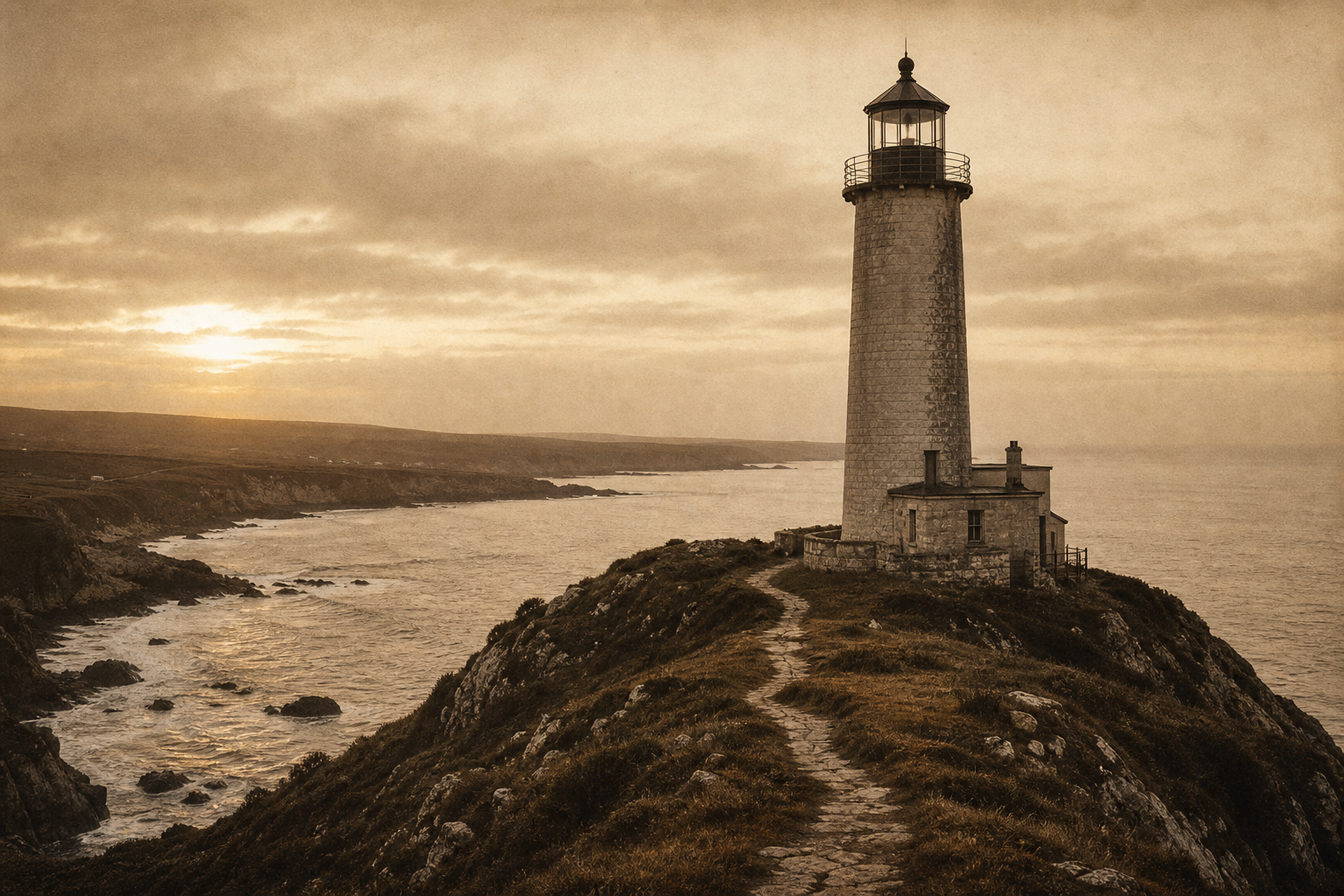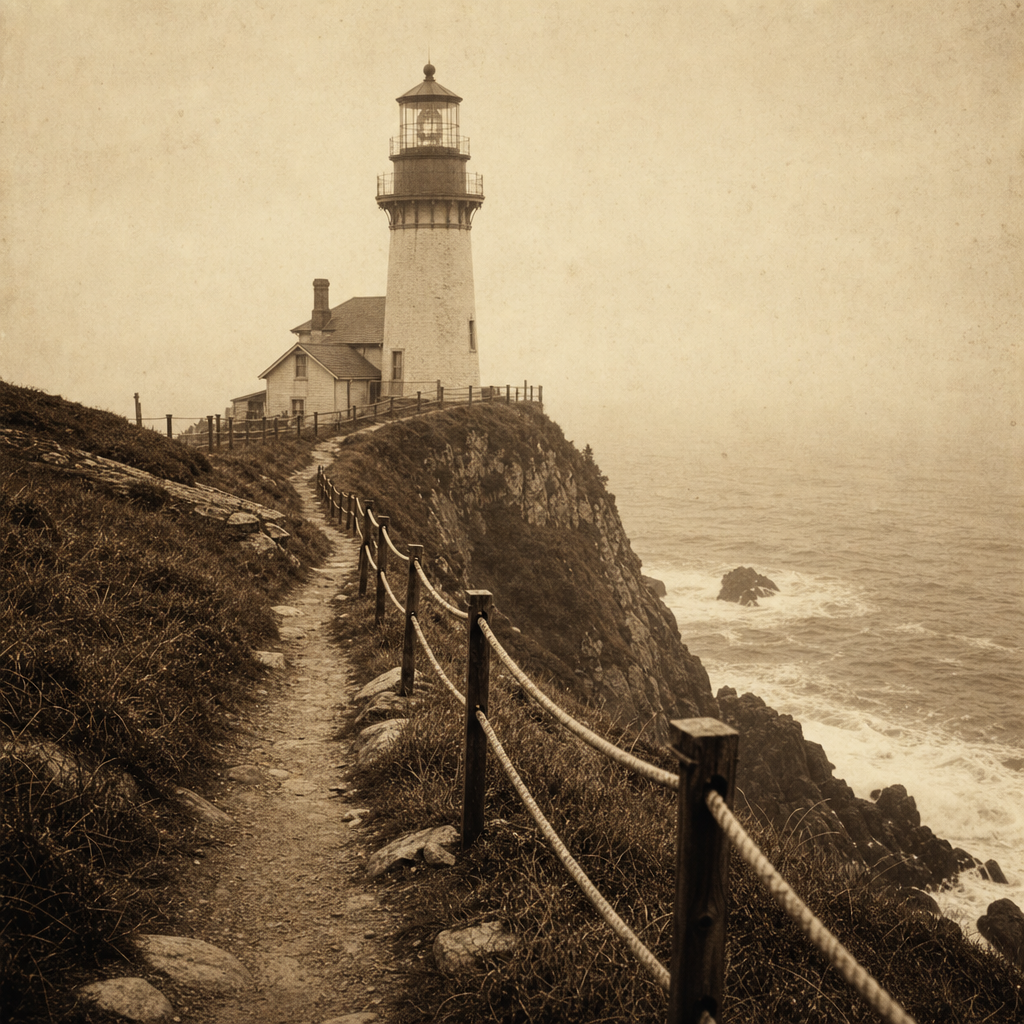
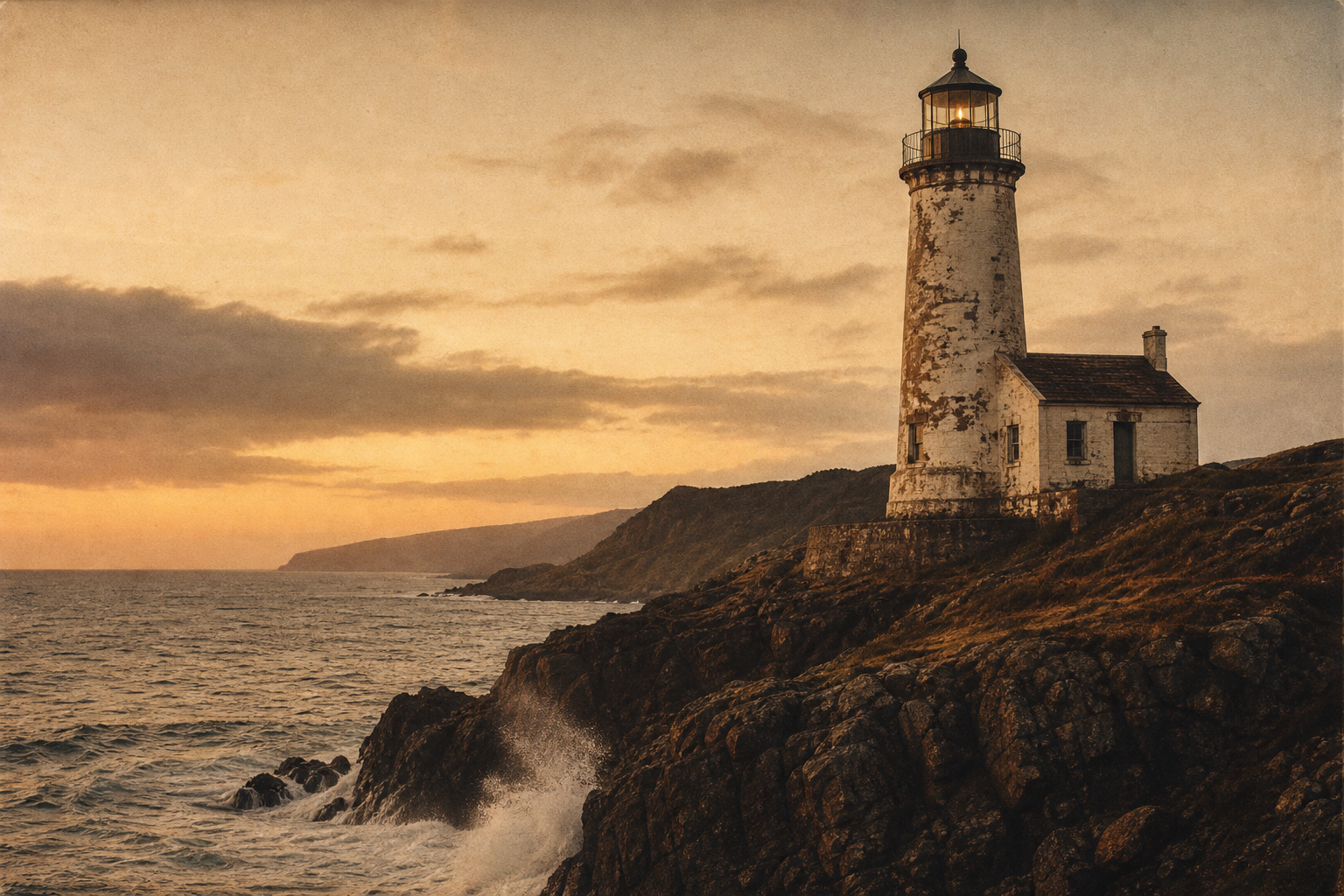
Weathered lighthouse standing above a rugged northern shoreline in warm film-photography style with subtle grain and evening haze

Northern Coastal Heritage

Beacons of the Northern Coast

Trace archive photographs, keeper stories, and the preserved towers that still mark the shoreline across the northern coast.

  • Archival photographs
  • Human stories
  • Surviving towers

Coastal introduction

Before the keeper logs and portraits, the northern coast was stitched together by light.

From improvised headland fires to engineered towers with standardized lenses, lighthouse stations did more than guide ships through fog and shoals. They influenced where harbors grew, how settlements exchanged goods, and how families measured risk and return with every departure. Today, preserved towers remain practical landmarks and cultural memory points, linking navigation history to living coastal communities.
Keeper voices

Lives kept beside the beam

Three brief portraits from the northern coast logs and oral recollections, tracing routine, weather, and memory inside the towers.

  1. Winter watch, 1912

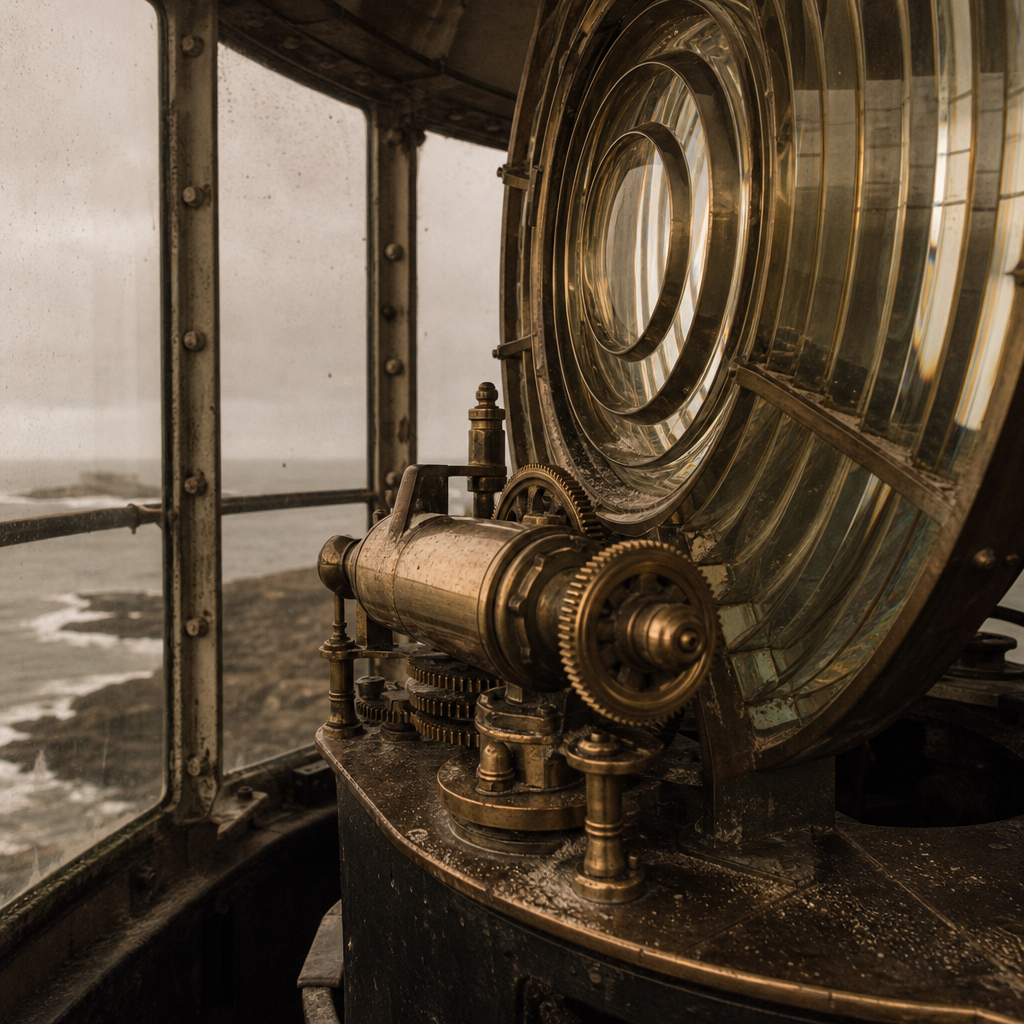
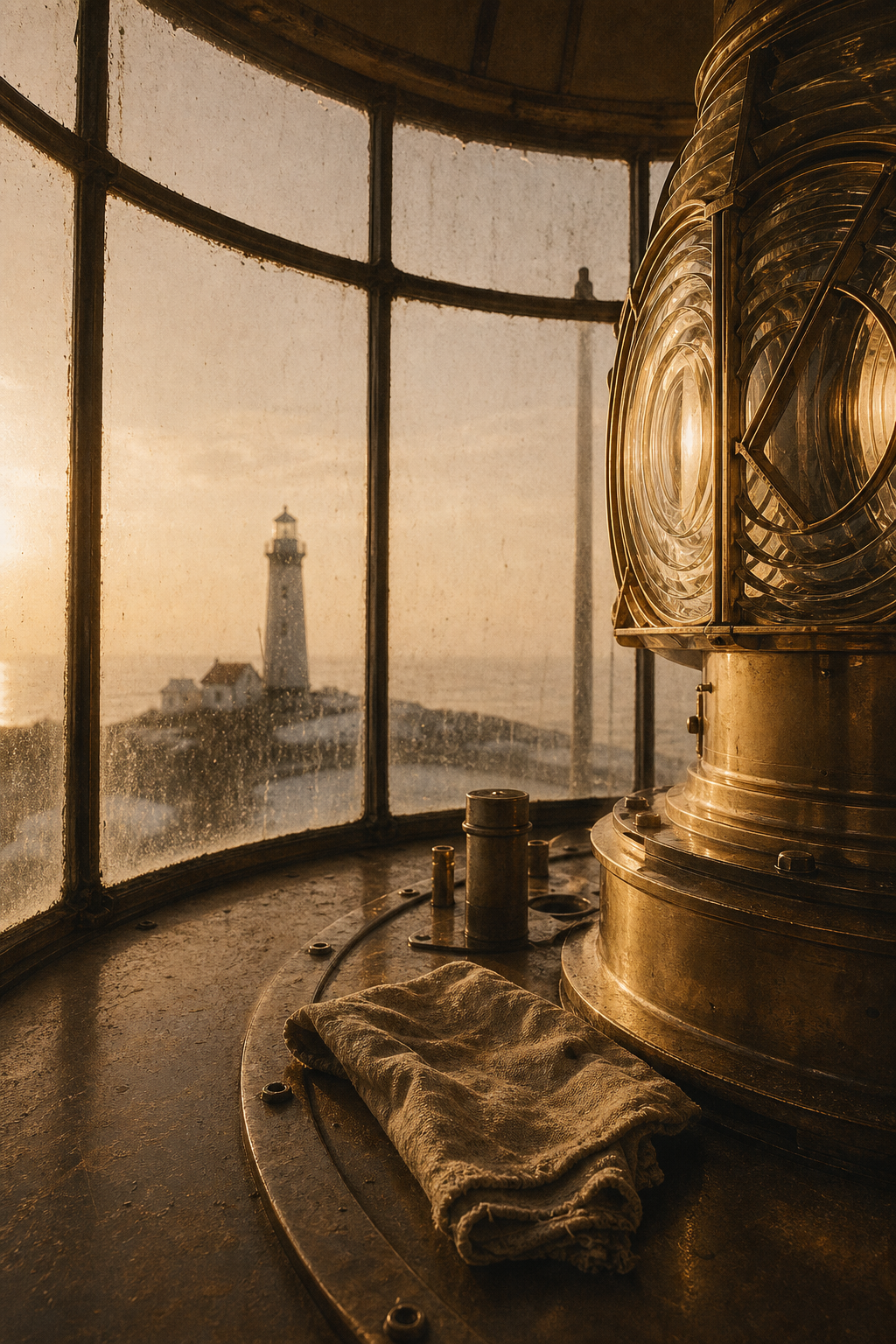
    Lantern Glass Before Dawn

    Before first light, Mara Iverson climbed the spiral with a rag warmed at the stove, polishing salt haze from every pane so the beam would carry clean across reef water. In her notes, she marks the silence between wind gusts as the moment she trusted the morning.

    Warm archival photograph of a brass lantern room interior with curved glass panes, polishing cloth, and early dawn light
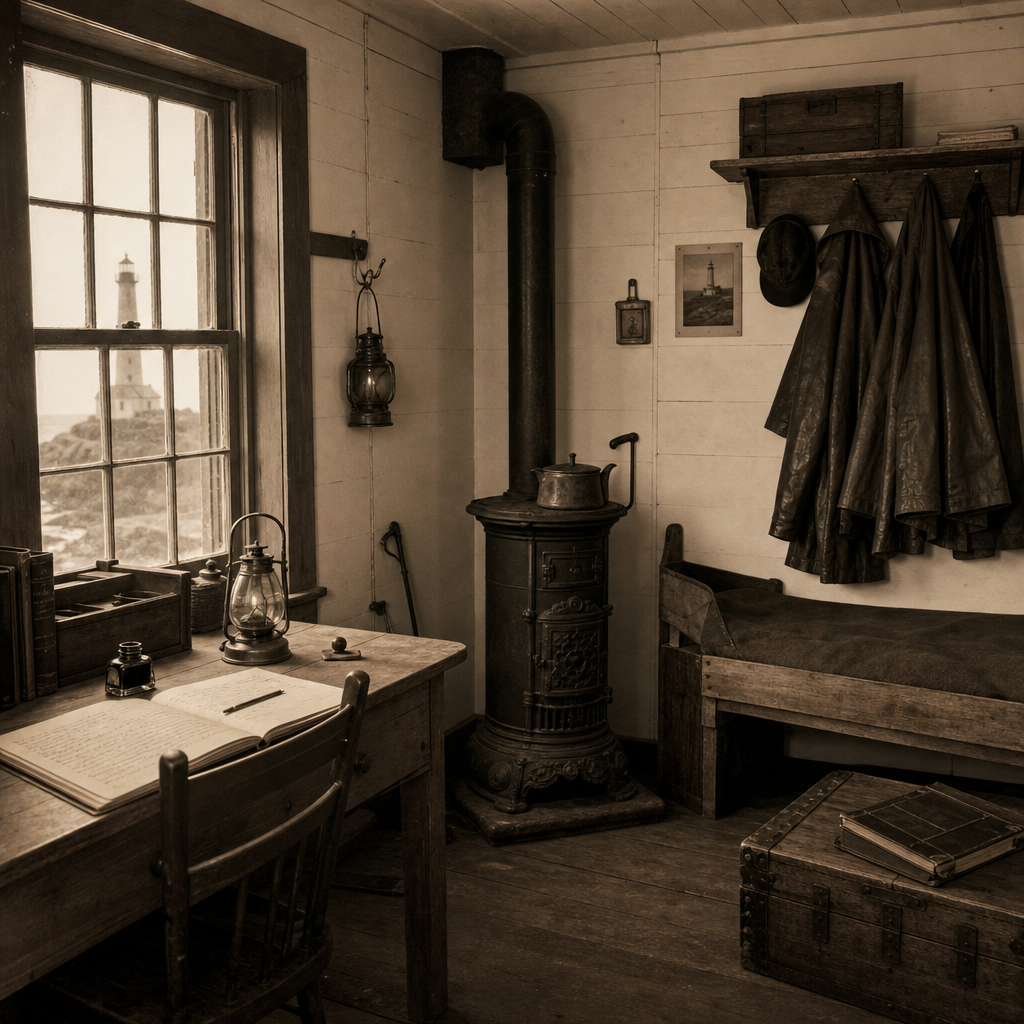
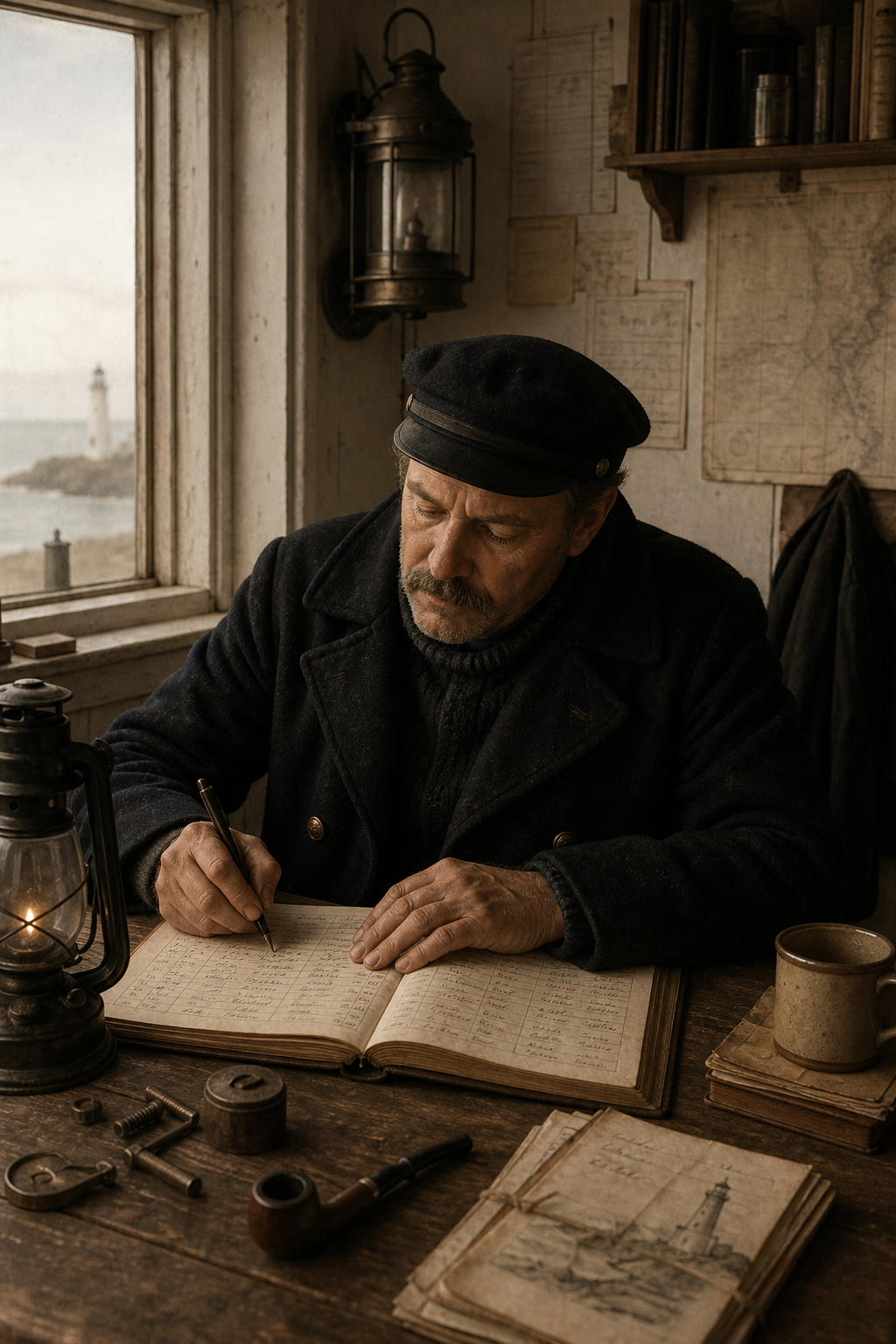
  2. Documentary style image of a lighthouse keeper in dark wool coat writing in a weathered logbook beside lamp tools

    Supply run ledger, 1936

    Coal, Ink, and Quiet Arithmetic

    Elian Rook counted everything twice: coal sacks, wick oil, and the days until the next relief boat. His daughter remembered him at the galley table, penciling neat columns while the tide struck the rocks below, turning household routine into maritime discipline.

  3. Storm log, 1951

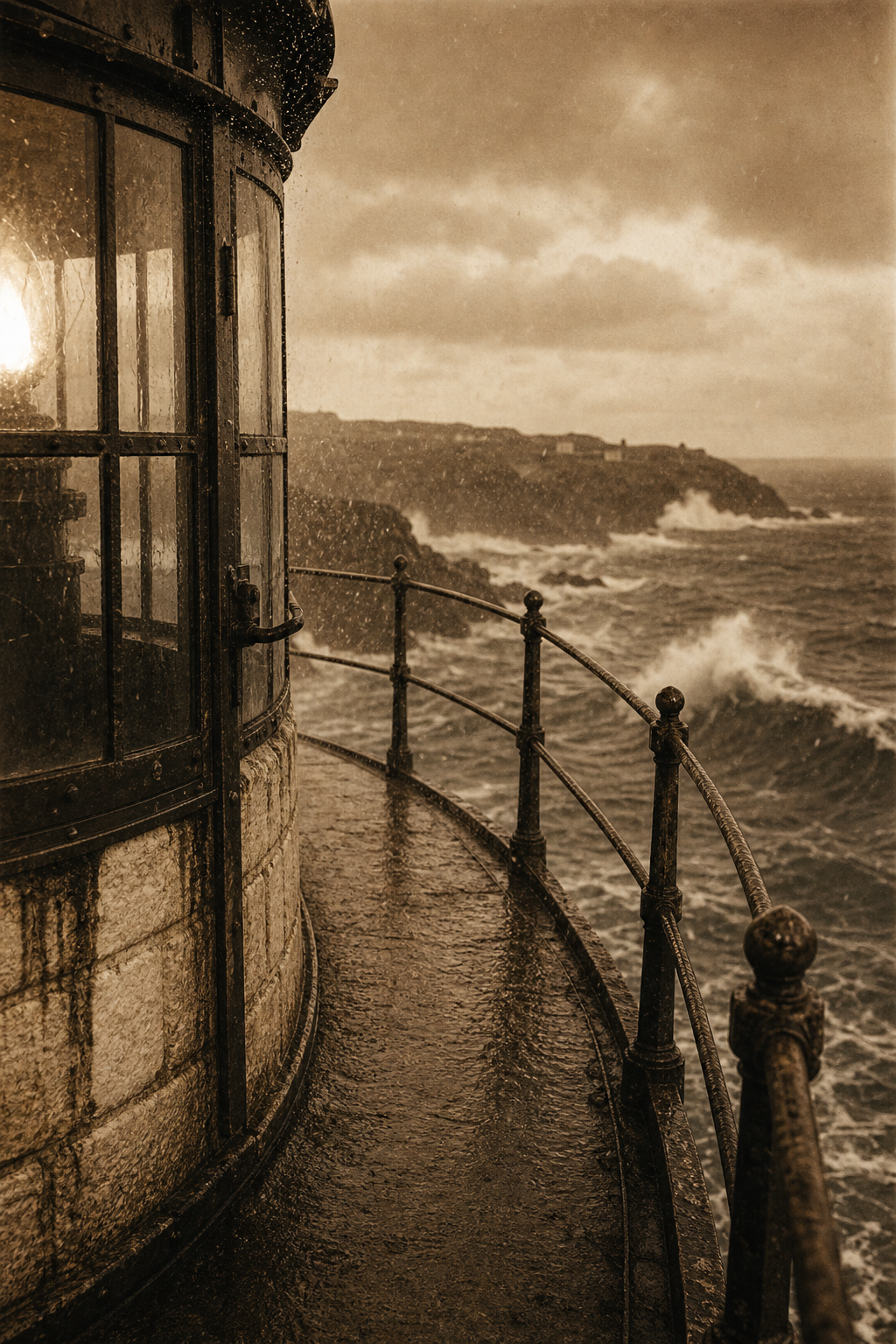
    The Walkway in Hard Rain

    During a February gale, Nessa Holm clipped her line to the outer rail and crossed the tower walk to clear sleet from the signal horn. She later wrote that fear never vanished; it simply moved behind the duty to keep one more ship oriented toward safe water.

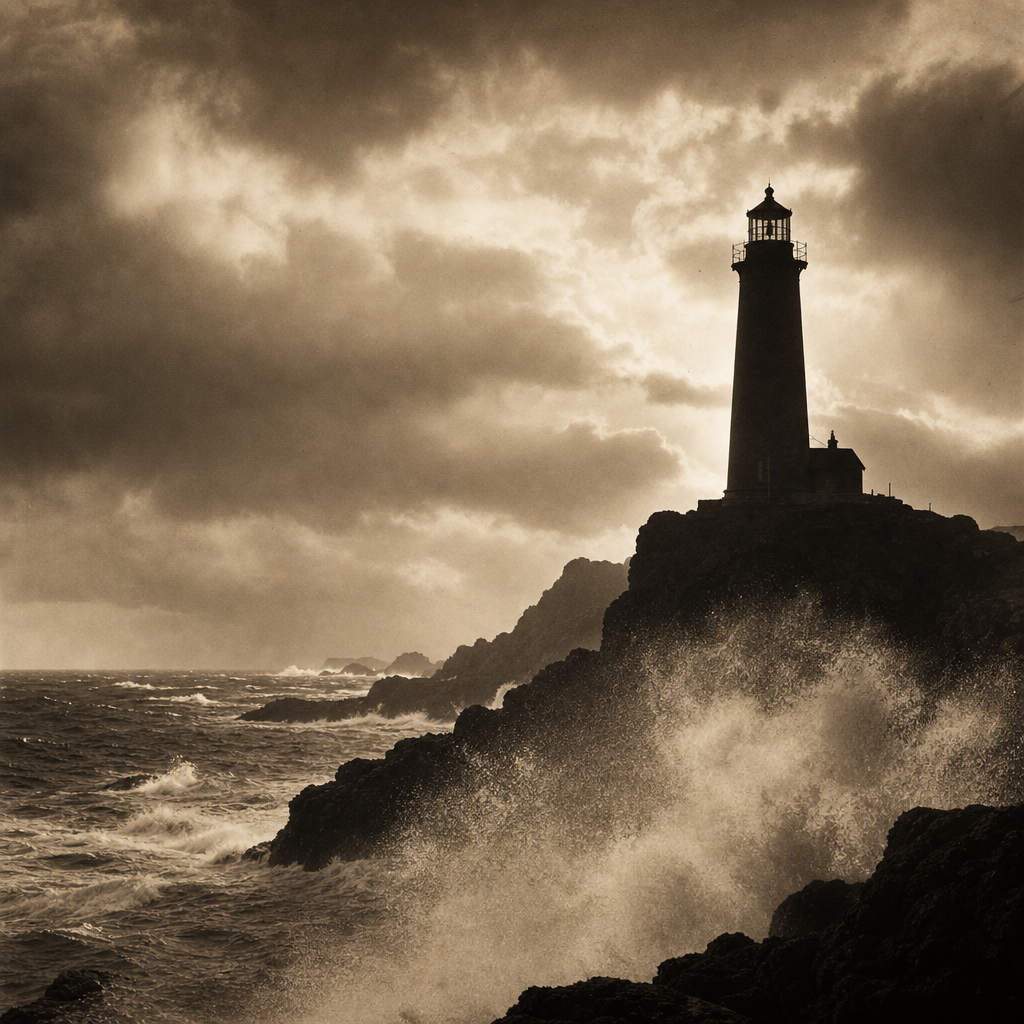
    Sepia-leaning coastal image of a narrow lighthouse tower walkway facing storm waves and rain spray

These voices map the coast as surely as the lantern itself—continue into the visual record in the archive photographs.

PRACTICAL REFERENCE

Restoration & Visiting FAQ

Quick answers on preservation, interpretation, and public access—so you can keep reading, then plan your next lighthouse stop with confidence.

Why do some lighthouse towers survive while others disappear?

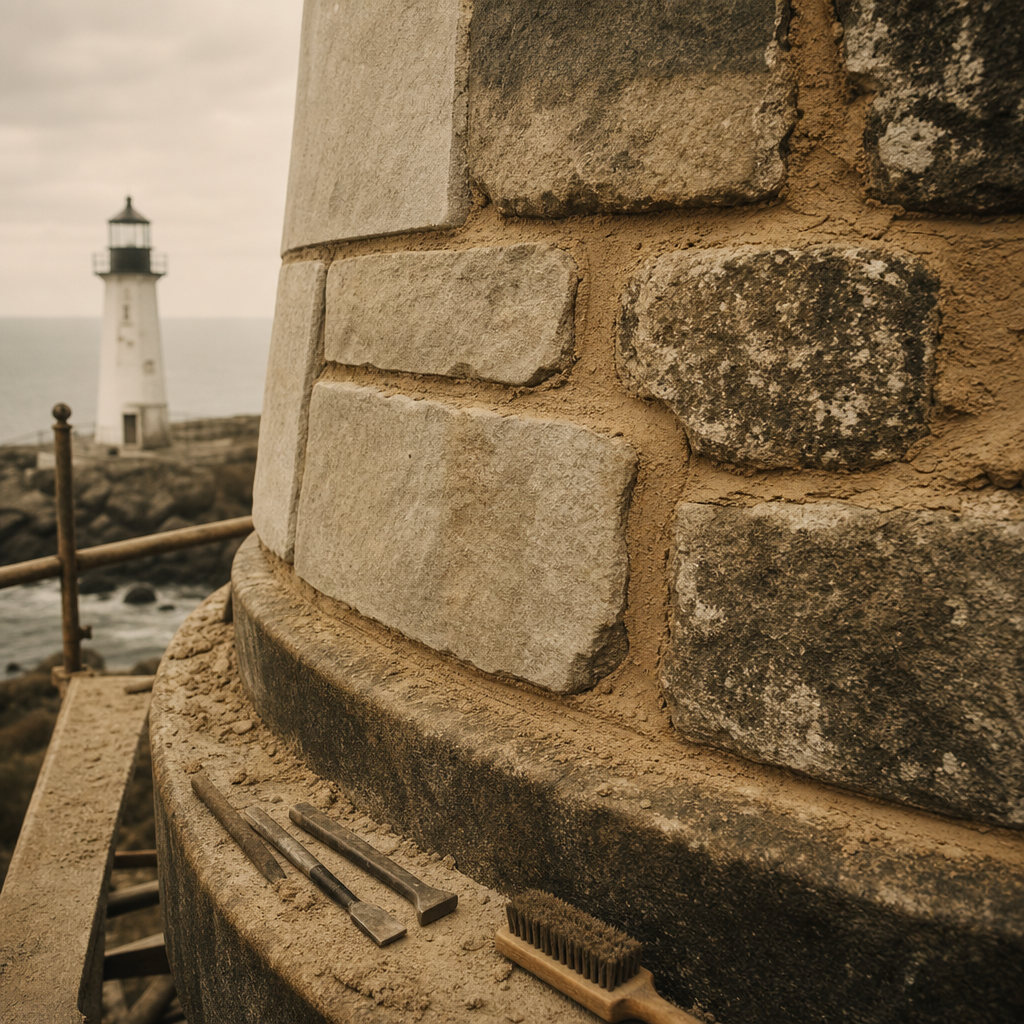
Survival usually comes down to location, construction quality, and local stewardship. Towers on eroding headlands or exposed reefs were often lost first, while stone or heavily reinforced lights near active communities had better odds of repair and continued use.

Who maintains preserved towers today?

Most preserved sites are cared for through partnerships: heritage trusts, municipal authorities, maritime agencies, and volunteer groups. Funding often mixes public grants, local fundraising, and conservation programs tied to regional coastal heritage.

Can visitors go inside preserved lighthouses?

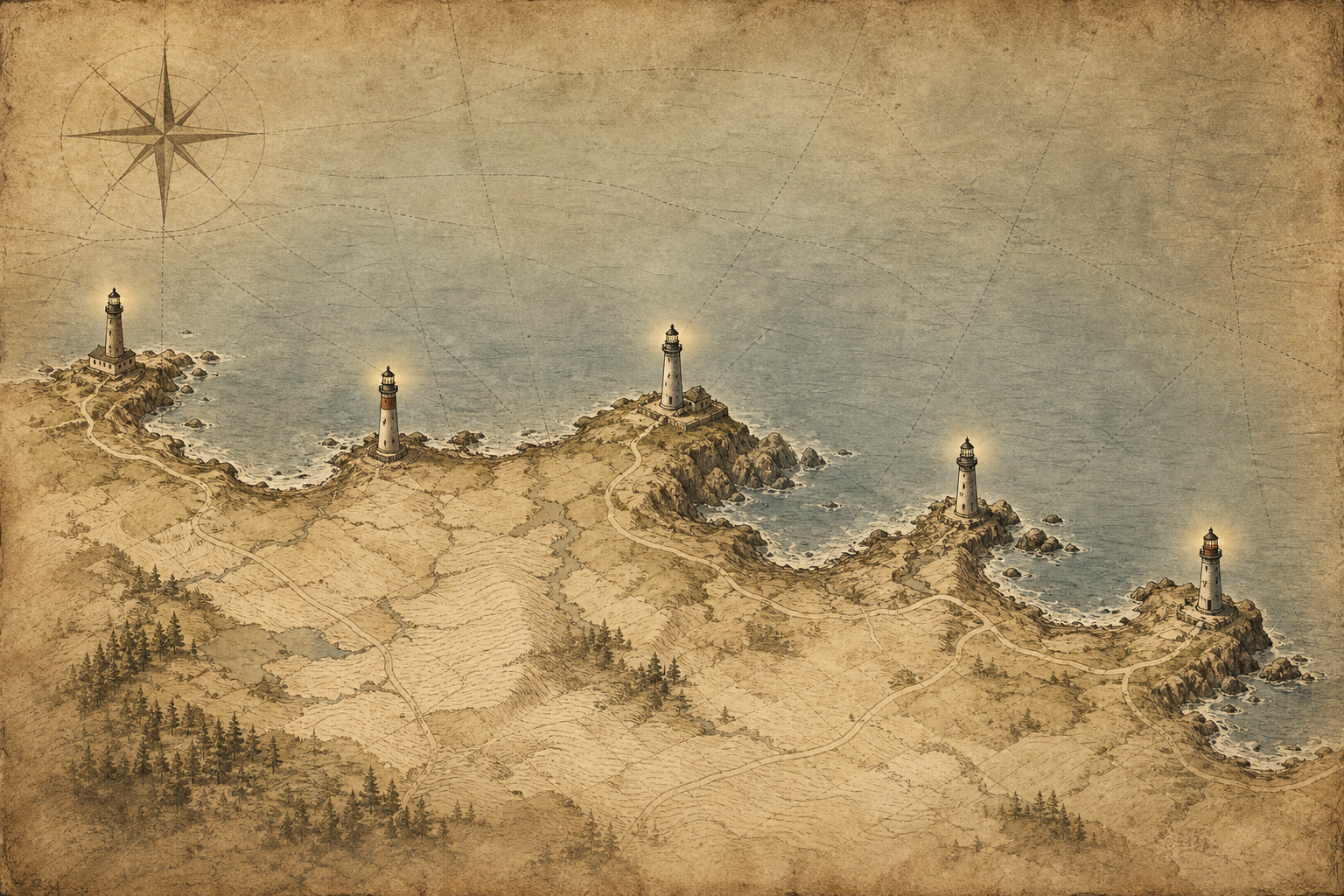
Access varies by tower condition and staffing. Some sites open seasonally with guided climbs, while others are view-only from the grounds. Check the preserved towers map for current access notes before planning a visit.

How are archive photographs interpreted on this site?

Each image is read against date marks, lens perspective, known weathering patterns, and cross-referenced logs. Captions prioritize what can be verified and clearly label inferred details, with deeper context linked in the archive gallery.

What makes northern-coast lights distinctive?

They combine robust engineering for harsh winds and salt spray with highly legible daymarks adapted to rugged coastlines. Just as important are the keeper routines and local rescue histories documented in keeper stories, which give each tower a distinct human record.